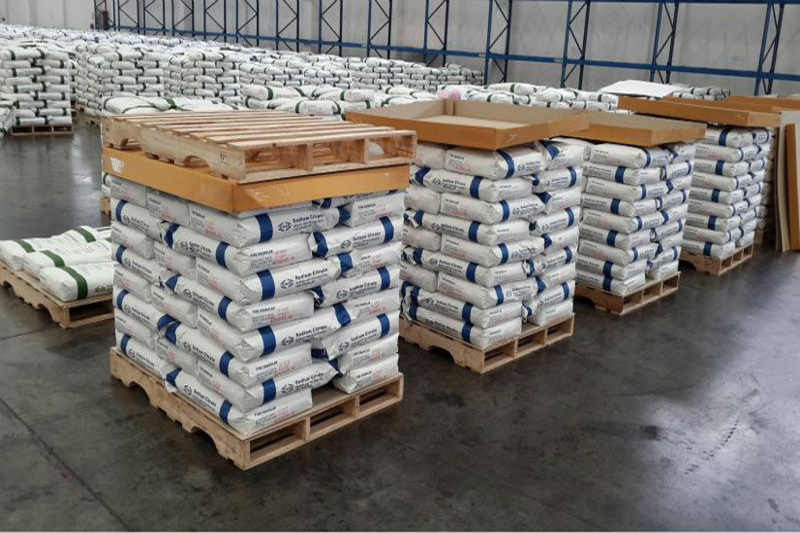
Citric acid anhydrous is produced commercially by submerged aerobic fermentation of carbohydrate substrates, primarily molasses or corn starch hydrolysate, using Aspergillus niger. The fermentation broth is purified through precipitation, filtration, ion exchange, and crystallization to yield high-purity anhydrous crystals.
It is a white, crystalline, free-flowing granular material with a strong, clean, sour taste that enhances flavor profiles across virtually all food and beverage categories. Citric acid anhydrous is highly soluble in water, completely dissociated in solution, and functions as an effective acidulant, chelating agent, and antioxidant synergist. It is the most widely produced and consumed organic acid in the global food industry, with annual production exceeding two million metric tons.