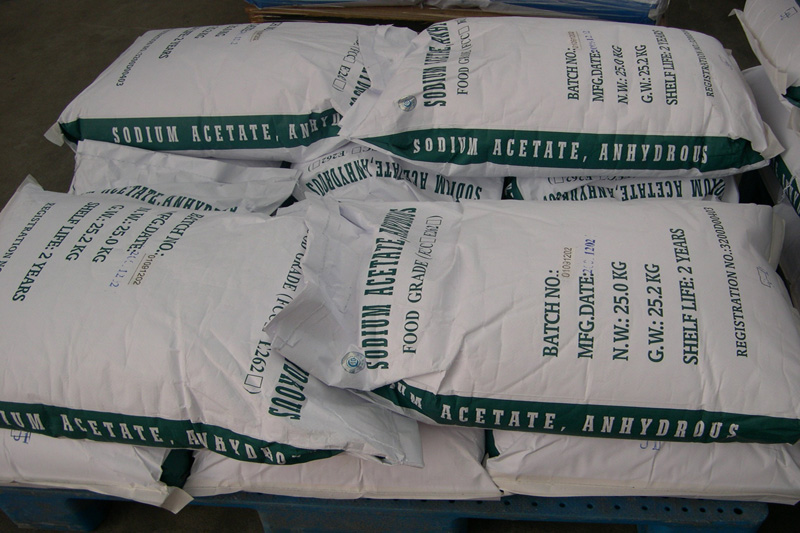
Sodium acetate anhydrous is produced by the reaction of acetic acid with sodium carbonate or sodium hydroxide, followed by crystallization and drying. It is freely soluble in water and produces a mildly alkaline solution with excellent buffering capacity. In the food industry, sodium acetate serves as a preservative by releasing acetic acid in food systems to inhibit bacterial growth, particularly Listeria monocytogenes in ready-to-eat meat products.
It also functions as a seasoning agent. It imparts a mild vinegar-like flavor to salt-and-vinegar chips and seasoned snacks. The anhydrous form is preferred for dry applications due to its superior stability and free-flowing properties compared to the trihydrate form.