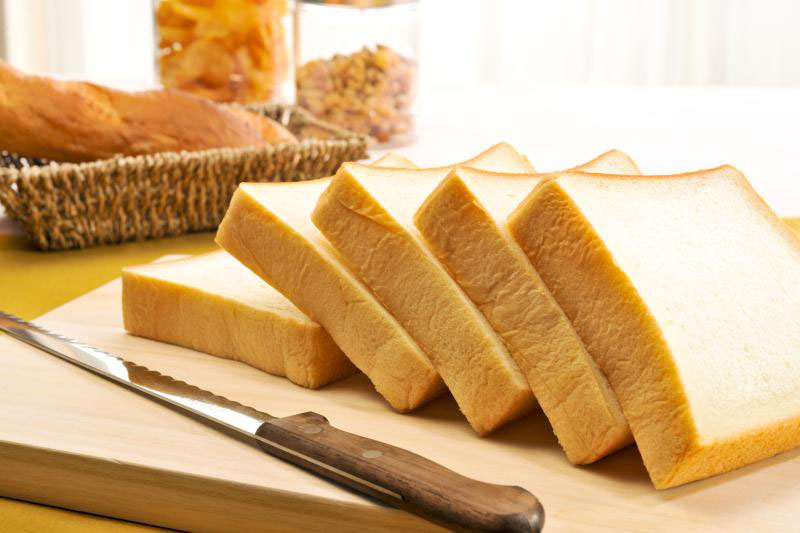
Sodium propionate is produced by neutralizing propionic acid with sodium hydroxide or sodium carbonate. It is freely soluble in water and more hygroscopic than calcium propionate. This makes it preferred in certain wet-dough and liquid applications.
Sodium propionate effectively inhibits mold growth and Bacillus mesentericus (rope bacteria) in bread and bakery products by releasing propionic acid that disrupts microbial cell membrane function. Unlike calcium propionate, the sodium form does not interfere with chemical leavening systems. This makes it preferred in cake, muffin, and chemically leavened product formulations. Sodium propionate is also used in dairy and processed cheese applications where its sodium content is compatible with the formulation.