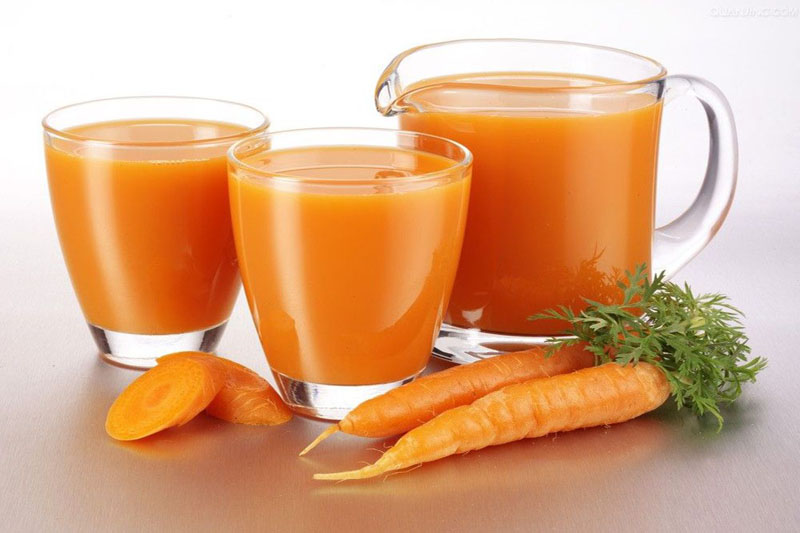
Beta Carotene is a carotenoid pigment responsible for the orange and yellow colors found in carrots, sweet potatoes, pumpkins, and many other fruits and vegetables. It serves a dual function in the food industry as both a natural colorant and a source of provitamin A, converting to retinol in the human body.
Beta Carotene is commercially produced through extraction from natural sources, chemical synthesis, or fermentation using Blakeslea trispora or Dunaliella salina algae. It is available in oil-soluble and water-dispersible forms to accommodate different food matrices and processing requirements. As a naturally derived colorant, it is well-suited for clean-label product reformulations replacing synthetic dyes.