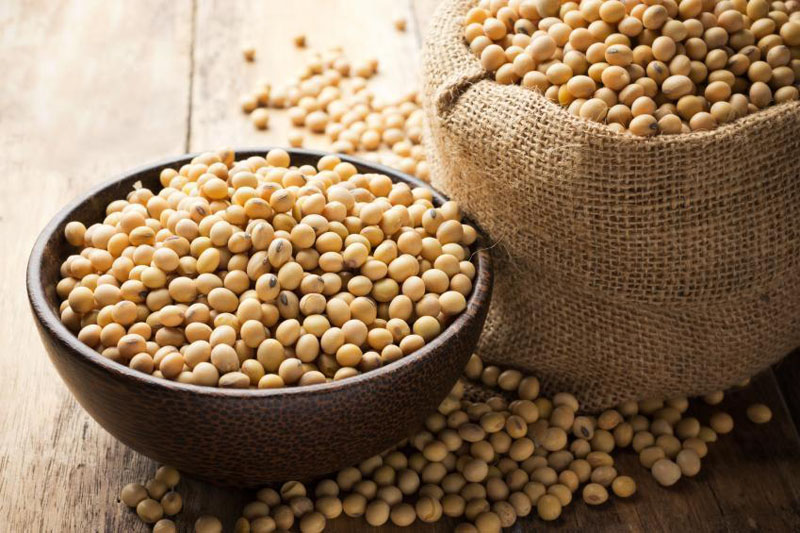
Soy lecithin is obtained as a byproduct of soybean oil refining, where the crude gum fraction is separated during degumming and further processed into liquid, granular, or powder forms. It is composed primarily of phosphatidylcholine, phosphatidylethanolamine, and phosphatidylinositol, along with other phospholipids and glycolipids. These amphiphilic molecules provide outstanding emulsifying capability.
This reduces interfacial tension between oil and water phases in food systems. Soy lecithin also functions as a wetting agent, viscosity modifier, and anti-spattering agent in numerous applications. It is one of the most widely used food-grade emulsifiers globally, valued for its natural origin, functionality, and cost-effectiveness.